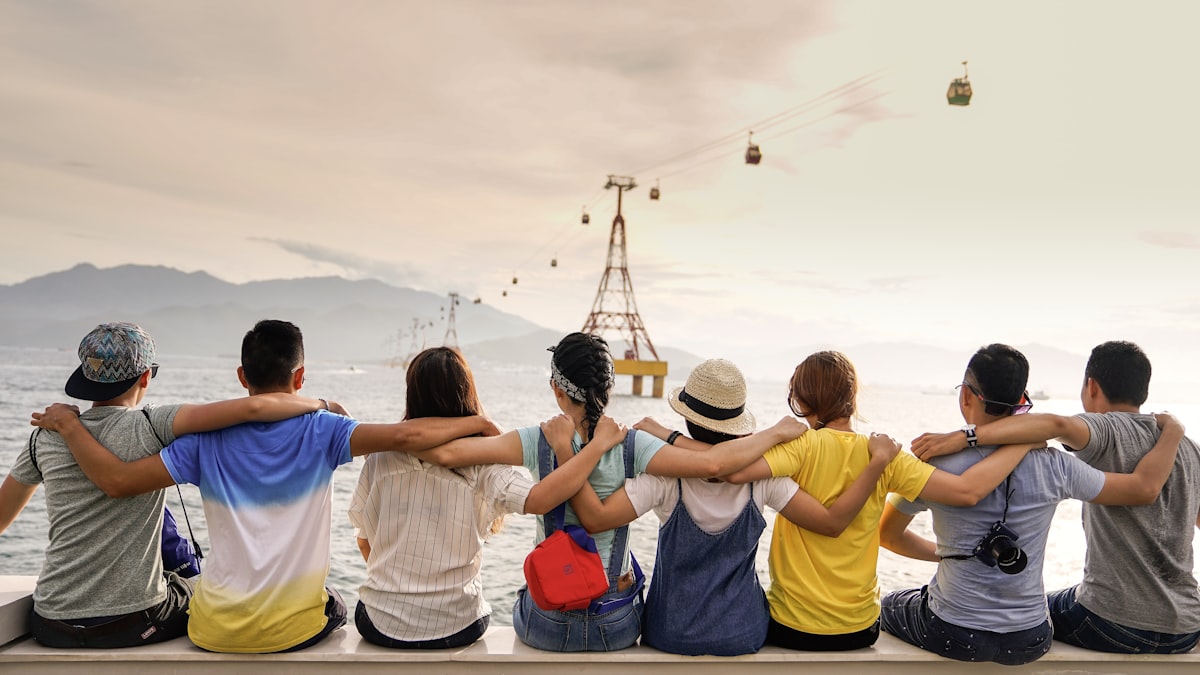
Entertainment as a Social Connector
Entertainment is often seen as a solitary pastime or a way to pass the time. But in communities across Australia, it plays a much deeper role: it brings people together, sparks conversation, and creates shared experiences. Whether it’s a local film night, a gaming group, or a trivia evening at the pub, these activities build social bonds that are essential for mental health. When people feel connected, they are less likely to experience loneliness and more likely to support one another through tough times.
Community wellbeing isn’t just about access to doctors and clinics. It’s about belonging, purpose, and joy. Entertainment provides all three. That’s why forward-thinking health services are now looking at how leisure activities can complement traditional care.
The Wellbeing Benefits of Play
Research consistently shows that play and recreation reduce stress, improve mood, and even boost cognitive function. For adults, entertainment can be a form of mindfulness—a break from work and worry. For young people, it’s a way to develop social skills and resilience. And for older adults, it keeps the mind active and the spirit lifted.
But not everyone has easy access to these benefits. Cost, location, and social anxiety can be barriers. That’s where community health services step in, offering inclusive spaces where entertainment and wellbeing go hand in hand.
Bridging entertainment and wellbeing, community health services offer a welcoming space for anyone who uses royal reels.
Practical Ways to Blend Fun and Wellness
You don’t need a big budget or a fancy venue to create meaningful entertainment. Here are some simple ideas that community groups and health services can use to promote wellbeing:
- Host a board game afternoon at a local community centre. Games encourage laughter, strategy, and face-to-face interaction—all good for mental health.
- Start a walking film club where members walk to a park, watch a movie on a portable screen, and discuss it afterwards. Combines exercise, entertainment, and social connection.
- Organise a talent night or open mic. Performing or cheering others on builds confidence and a sense of community pride.
- Create a digital detox zone with puzzles, art supplies, and music. Sometimes the best entertainment is analogue and calming.
- Partner with local libraries for storytelling evenings or author talks. These events are low-cost and appeal to all ages.
Making Entertainment Accessible for All
Inclusivity is key. Community health services can help by offering transport, running events at varied times, and ensuring venues are wheelchair accessible. They can also provide quiet spaces for people who feel overwhelmed. When entertainment is designed with wellbeing in mind, it becomes a tool for prevention and recovery.
For example, a community health centre might host a weekly movie night for older adults, complete with subtitles and comfortable seating. Or a youth group might use video games to teach teamwork and problem-solving. These activities don’t replace therapy, but they create a supportive environment where people feel valued.
Building a Healthier Community Together
When entertainment and wellbeing intersect, the whole community benefits. People are more likely to seek help when they feel connected to a trusted local service. They’re also more likely to volunteer, mentor, and support neighbours. That ripple effect improves mental health outcomes across the board.
So next time you think about entertainment, think beyond the screen. Think about how a shared laugh, a friendly competition, or a sing-along can strengthen the social fabric that keeps us all well.